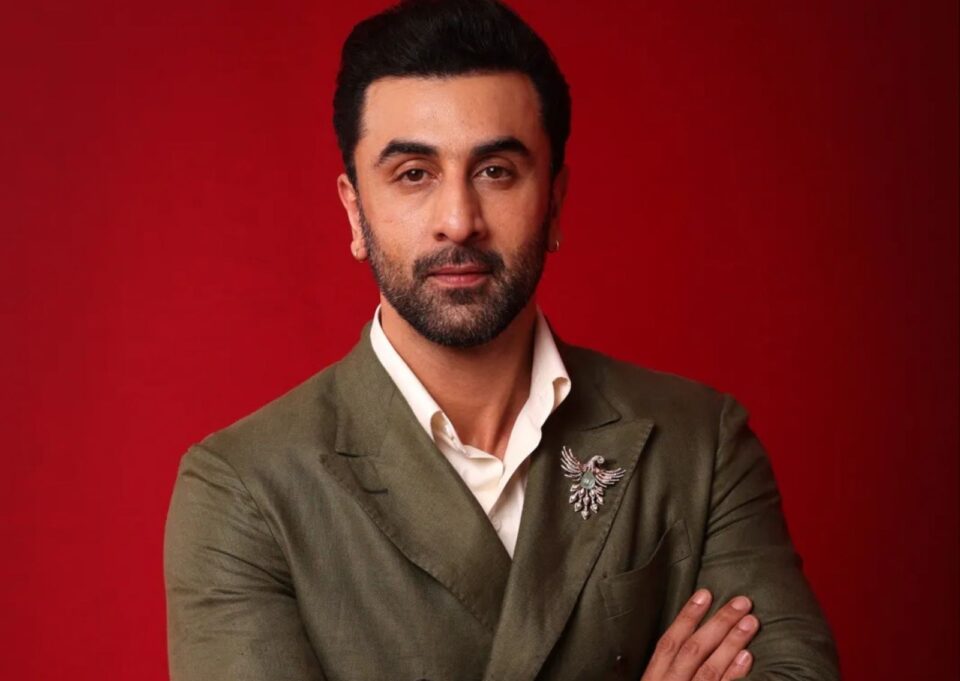
Ranbir Kapoor has responded to criticism surrounding the visual effects of his upcoming film Ramayan, asking audiences to recognise the extensive effort involved in creating its large-scale cinematic world. In a recent interview with Collider, the actor addressed online reactions to the film’s promotional material, particularly comments suggesting that some of its visuals may have been created using artificial intelligence.
WEBDESK – ZAINAB MIRAJ – SHARJAH NEWS
Growing scrutiny of visual effects
With AI-generated imagery becoming increasingly common across social media and entertainment, audiences have become more aware of computer-generated visuals. Ranbir acknowledged that viewers now pay close attention to CGI quality and often begin judging a film’s visual effects as soon as its trailer or promotional footage is released.
He noted that people online increasingly take on the role of “CG critics”, analysing individual shots and questioning whether the effects look realistic or complete. According to the actor, this level of scrutiny can create challenges for filmmakers working on ambitious visual projects.
Ranbir explained that the discussion around visual effects has changed significantly because of the rapid development of AI technology. As audiences become familiar with highly sophisticated AI-generated images, their expectations from conventional CGI and visual effects have also increased.
Years of work behind Ramayan
The actor pushed back against the assumption that complex visuals can simply be produced using AI. He stressed that Ramayan involves the work of a large team of professional artists who have dedicated years to developing the film’s visual elements.
Ranbir said there are countless hours of work involved, with artists continuously refining the smallest details to achieve the desired appearance. He suggested that people who are unfamiliar with the VFX process may not fully understand how much time and expertise are required to produce finished cinematic imagery.
His comments come amid online discussions about the visual quality of Ramayan, with some viewers expressing doubts about the film’s CGI after seeing promotional material. Rather than responding directly to individual criticisms, Ranbir highlighted the effort taking place behind the scenes.
Nitesh Tiwari and Namit Malhotra closely involved
Ranbir also spoke about the involvement of director Nitesh Tiwari and producer Namit Malhotra in the film’s visual development. According to the actor, he has personally seen both filmmakers spend long periods discussing VFX work and reviewing minute details.
He recalled seeing Tiwari and Malhotra involved in VFX discussions since the project began. Even seemingly minor elements, such as the exact shade of the sky in a particular scene, have reportedly received significant attention.
For Ranbir, this illustrates how seriously the team is approaching the film’s visual presentation. Rather than relying on quick technological solutions, the production has involved extensive collaboration between filmmakers, VFX specialists and artists.
AI has raised the bar
The actor believes the growing popularity of AI has made it harder for filmmakers to impress audiences with visual effects. Since people are now regularly exposed to highly detailed AI-generated images online, they have developed a sharper eye for visual authenticity.
At the same time, Ranbir suggested that this increased awareness can sometimes lead to premature criticism. Promotional footage may not necessarily represent the final version of a film, particularly when visual effects are still being refined during production.
He therefore urged viewers to consider the amount of creative and technical work involved before reaching conclusions about the film’s finished visuals.
A massive cinematic project
Ramayan is being developed as an ambitious adaptation of the Indian epic, with Ranbir Kapoor portraying Lord Ram. The project has generated considerable attention because of its scale, cast and extensive use of visual effects.
Nitesh Tiwari is directing the film, while Namit Malhotra is associated with its production. Given the story’s larger-than-life settings, characters and sequences, visual effects are expected to play a major role in bringing the world of the epic to the screen.
Ranbir’s latest comments offer a glimpse into the extensive process taking place behind the film. While online debate over the visuals continues, the actor maintains that audiences should recognise the dedication of the artists and filmmakers working to make the project visually authentic.
Ultimately, Ranbir believes the real test will come when the completed film reaches audiences. For now, he has asked viewers to look beyond early promotional material and understand that creating convincing cinematic visuals can require years of work from a large team of specialists.