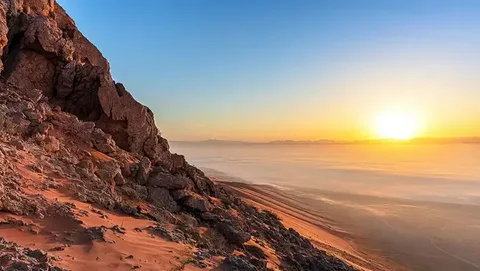
In a historic move that highlights the UAE’s rich cultural heritage, Faya in Sharjah has been officially added to the UNESCO World Heritage List in 2025. This ancient site, located in the Mleiha region, is now globally recognized for being among the oldest known inhabited areas on the Arabian Peninsula.
The recognition elevates the status of Sharjah — already seen as the cultural capital of the Emirates — as a prominent global destination for heritage and archaeological tourism.
What Is Faya and Why Is It Important?
Faya is part of the Mleiha Archaeological Centre in central Sharjah. The site features a wealth of prehistoric artifacts, including tools, tombs, and ancient dwellings, some dating back 125,000 years.
Key Highlights:
Earliest known evidence of modern humans migrating out of Africa
Artifacts from the Stone Age, Bronze Age, and Iron Age
Flint tools, petroglyphs, tombs, and burial chambers
Located along ancient trade and caravan routes
Faya provides essential insights into early human life, migration patterns, and how desert civilizations evolved and thrived.
Why UNESCO Recognized Faya
Faya was included in the UNESCO World Heritage List for its outstanding universal value, fulfilling key UNESCO criteria:
| UNESCO Criterion | How Faya Qualifies |
|---|---|
| Criterion (iii) | Testimony to ancient civilizations and cultural traditions |
| Criterion (v) | Exemplifies traditional land use and ancient settlement patterns |
| Criterion (vi) | Linked to prehistoric human evolution and migration |
UNESCO also praised Sharjah’s efforts in conservation, sustainable tourism, and public education through the Mleiha Archaeological Centre.
Sharjah’s Role in Cultural Preservation
Under the guidance of His Highness Sheikh Dr. Sultan bin Muhammad Al Qasimi, Sharjah has made remarkable contributions to archaeology and cultural heritage. Investments include:
Excavations at Mleiha and Jebel Faya
Mleiha Archaeological Centre development
Sharjah Museum of Islamic Civilization
Hosting international archaeological conferences
This proactive approach has positioned Sharjah as a leader in Middle Eastern heritage conservation.
Impact on Tourism and the Local Economy
The UNESCO designation is expected to significantly boost tourism and economic development in the Mleiha region.
Projected Growth (2025–2027):
+45% increase in annual visitors
AED 150 million+ in economic gains through hospitality and tours
New jobs in heritage conservation, tourism, and education
Academic partnerships with global institutions
Sharjah is also improving visitor infrastructure with eco-lodges, guided trails, and enhanced facilities to support sustainable tourism.
How to Visit Faya in Sharjah
Getting There:
Location: Mleiha Archaeological Centre, Central Sharjah
From Dubai: Approx. 60 km (~1-hour drive)
Best Time: November to March for ideal weather
Visitor Tips:
Book guided tours via the Mleiha Centre
Combine your visit with desert experiences like dune bashing or stargazing
Explore the museum for deeper context on Faya’s archaeological relevance
For those searching “Sharjah UNESCO sites 2025” or “how to visit Faya archaeological site,” this destination offers an unmatched blend of history, science, and adventure.
Frequently Asked Questions (FAQs)
Q1: What is Faya in Sharjah known for?
Faya is one of Arabia’s oldest known human settlements with artifacts dating back over 125,000 years.
Q2: Why did UNESCO add Faya to its World Heritage List?
Because of its exceptional archaeological significance, early human migration evidence, and well-preserved prehistoric tools and tombs.
Q3: Can tourists visit Faya?
Yes. The site is accessible through guided tours offered by the Mleiha Archaeological Centre.
Q4: Are there other UNESCO sites in the UAE?
Yes. Notable ones include Al Ain’s cultural sites, Hili Archaeological Gardens, and Bidaa Bint Saud in Abu Dhabi.
Q5: Is Faya still an active excavation site?
Yes. Ongoing excavations continue to unearth new discoveries that contribute to global historical research.
Final Thoughts
The addition of Faya to the UNESCO World Heritage List is not just a win for the UAE — it’s a global milestone in the documentation and preservation of human history. As scholars, travelers, and tourists explore this prehistoric treasure, Faya becomes more than a desert relic — it becomes a living classroom of ancient life, innovation, and survival.
Sharjah has set a strong example of how to protect the past while inspiring future generations.
For More Information, Stay Connected With Sharjah News! You Can Also Follow Us On Facebook To Stay Updated.