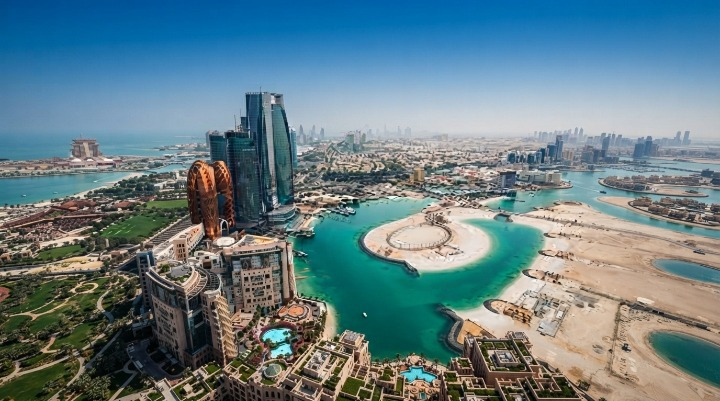
The Gulf hospitality sector is expected to begin a gradual recovery in late 2026, with UAE hotels preparing for stronger tourism demand, business travel and visitor confidence.
WEBDESK – SHARJAH NEWS
The Gulf hospitality industry is expected to begin its recovery during the final quarter of 2026, but experts believe the comeback will be gradual rather than immediate. While travel demand is showing signs of improvement after months of regional uncertainty, hotel operators across the UAE and neighboring Gulf countries are preparing for a steady recovery built on rising visitor confidence instead of a rapid increase in bookings.
Industry specialists say the UAE continues to stand out as one of the region’s strongest tourism markets. However, they caution that hotels are likely to see a phased improvement as international travel, business activity and consumer confidence continue to stabilize.
Recovery Expected to Begin in the Fourth Quarter
Hospitality analysts believe the final months of the year could mark the start of a positive turnaround for hotels across the Gulf.
Although airline schedules have largely returned to normal and travel restrictions have eased, many travelers remain cautious when making holiday or business travel plans. Experts say hotel occupancy and room revenues are expected to improve gradually as confidence continues to recover.
Rather than a sharp rebound, the sector is likely to experience steady month-on-month growth supported by increasing regional and international travel.
UAE Remains a Regional Tourism Leader
The UAE’s strong tourism infrastructure is expected to help its hospitality industry recover faster than many neighboring markets.
Dubai, Abu Dhabi and Sharjah continue attracting visitors through luxury hotels, cultural attractions, shopping destinations, sporting events and international exhibitions. These strengths have helped maintain the country’s reputation as one of the Middle East’s leading travel destinations.
Officials also highlight the UAE’s diversified tourism strategy, which combines leisure tourism, business travel, family vacations, heritage experiences and luxury hospitality throughout the year.
Domestic and Regional Travelers Keep Hotels Busy
While international arrivals have yet to fully return to expected levels, domestic tourism has continued supporting hotel occupancy across the UAE.
Hotels have introduced attractive staycation offers, discounted family packages and weekend promotions that encourage residents to explore destinations within the country. Travelers from neighboring GCC countries have also contributed to maintaining demand during slower international travel periods.
Industry experts believe regional visitors will remain an important source of business until global tourism fully recovers.
Business Tourism Could Speed Up Growth
Corporate travel is expected to become one of the biggest drivers of recovery during the coming months.
The UAE continues to host major exhibitions, trade fairs, investment conferences and international business events that attract thousands of delegates each year. As more global companies resume in-person meetings and exhibitions, hotels are likely to benefit from stronger occupancy rates and longer guest stays.
Sharjah is also strengthening its position as a destination for conferences, educational events and cultural exhibitions, creating additional opportunities for hotels and related businesses.
Traveler Confidence Will Shape the Recovery
Industry observers believe restoring traveler confidence is now more important than increasing airline capacity.
Although flights are operating more regularly, many international visitors are still carefully evaluating their travel plans before making reservations. Experts say greater regional stability and consistent tourism demand will play a major role in determining how quickly hotels recover.
As confidence grows, both leisure and corporate bookings are expected to rise steadily throughout the Gulf.
Hotels Adapt to Changing Market Trends
Hospitality operators are introducing new strategies to remain competitive in an evolving tourism market.
Many hotels have expanded flexible booking options, improved guest services and invested in digital technologies that simplify reservations and enhance customer experiences. Sustainability initiatives and personalized hospitality are also becoming increasingly important as travelers seek greater value and convenience.
Industry leaders believe these improvements will strengthen the Gulf’s competitiveness in the global tourism industry over the long term.
Government Support Continues to Boost Tourism
Tourism authorities across the UAE remain focused on supporting the hospitality sector through long-term investment and development initiatives.
Government agencies continue working closely with airlines, hotels and tourism organizations to promote new travel experiences, improve visitor satisfaction and attract international tourists. Continued investment in tourism infrastructure is expected to strengthen the country’s position as a global travel hub.
Officials believe these initiatives will help ensure sustainable growth for the hospitality industry beyond 2026.
Sharjah Positioned to Benefit from Tourism Growth
Sharjah is expected to play an increasingly important role in the Gulf’s hospitality recovery.
The emirate continues expanding its tourism offerings through heritage destinations, eco-tourism projects, museums, cultural festivals and family-friendly attractions. These developments have helped Sharjah attract both regional visitors and international travelers seeking experiences beyond traditional leisure tourism.
Hotel operators in the emirate are optimistic that increasing visitor numbers will support occupancy levels as travel demand gradually improves.
Positive Long-Term Outlook for the Hospitality Industry
Despite expectations of a gradual recovery, industry experts remain optimistic about the future of Gulf hospitality.
The region continues benefiting from modern infrastructure, strong government support and a growing reputation as a destination for business, leisure and cultural tourism. Analysts believe these advantages will help restore visitor numbers and strengthen hotel performance over the coming years.
While challenges remain, hospitality operators across the UAE and the wider Gulf are focusing on rebuilding traveler confidence, improving customer experiences and preparing for sustained long-term growth. With tourism demand steadily returning and investment continuing across the sector, the industry appears well positioned for a stronger future as the recovery gains momentum.