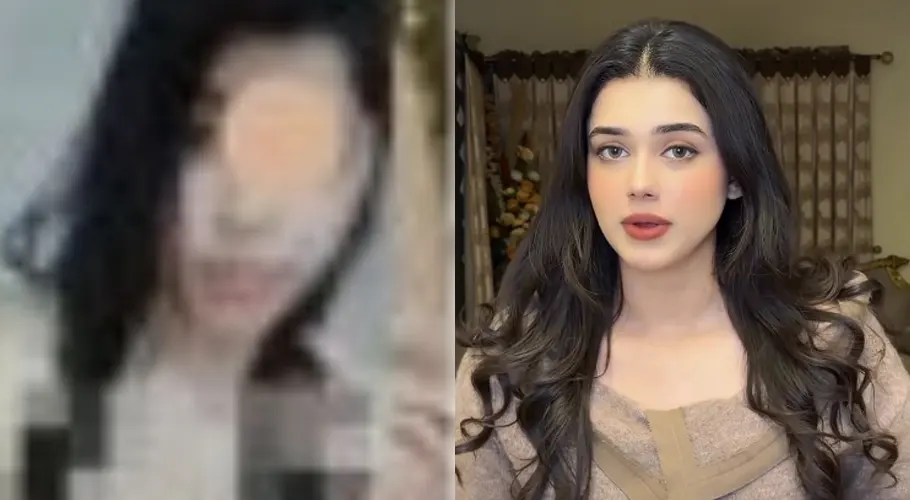
Pakistani social media influencer Alina Amir has broken her silence after a so-called “leaked video” purportedly featuring her circulated widely across social media platforms, triggering widespread online discussion and misinformation. The controversy took off as links and snippets claiming to show a private clip went viral, drawing significant attention and search activity from users across X, TikTok, Telegram, and Instagram. However, Amir has firmly rejected the authenticity of the material.
In a video statement shared on her official Instagram account, Amir clarified that the content was artificially generated using AI deepfake technology and labelled the trend as digital harassment, not a genuine personal video. She explained that while she initially remained silent for several days, the sheer volume of misleading posts and the spread of false claims compelled her to address the matter publicly.
Amir emphasised that deepfake videos and deceptive links are not harmless entertainment but serious forms of cyber abuse that can damage reputations and harm individuals. She urged her followers and social media users to verify content before sharing it and called for greater responsibility online to prevent the spread of harmful misinformation.
Beyond denouncing the deepfake, Amir made a direct appeal to Punjab Chief Minister Maryam Nawaz to take strict action against those creating and disseminating AI-generated illicit material targeting women and influencers. She also announced a cash reward for credible information leading to the identification of those responsible for the fake video.
Cybersecurity experts have described such viral “leaked video” trends as part of clickbait and SEO poisoning campaigns designed to exploit sensationalism online, warn analysts, and highlight how easily deepfake technology can be misused.
The incident has sparked broader conversations about digital privacy, the ethical use of AI, and the need for stronger protections for public figures and ordinary users alike in the digital age.