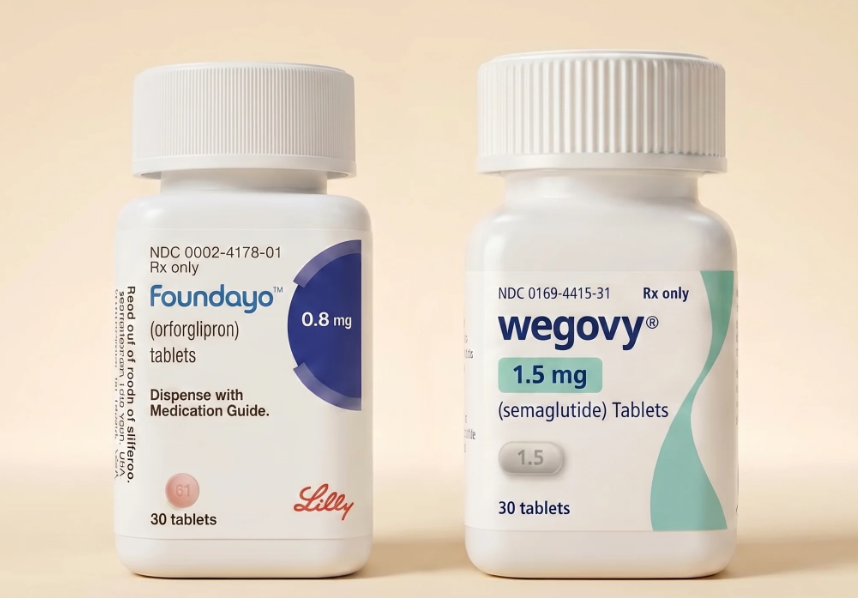
The UAE has approved 10 innovative medicines in the past year, expanding treatment options for obesity, heart disease, cancer, allergies, dry eyes, vitiligo and rare genetic disorders nationwide.
WEBDESK – SHARJAH NEWS
The United Arab Emirates is rapidly expanding access to advanced medicines, with the Emirates Drug Establishment (EDE) approving 10 notable treatments over the past 12 months for obesity, cardiovascular disease, cancer, severe allergies, dry eye disease, vitiligo, and rare genetic disorders.
The approvals underline the UAE’s push to accelerate access to innovative therapies and strengthen its position as a regional healthcare and pharmaceutical hub. Several of the medicines were among the first to be approved in the region or globally.
Among the most closely watched developments has been the arrival of oral treatments for obesity, giving eligible patients alternatives to injectable therapies.
Oral Wegovy expands weight-management options
In June 2026, the EDE approved oral Wegovy, or semaglutide, for long-term weight management in adults living with obesity or overweight associated with weight-related medical conditions.
The once-daily GLP-1 treatment is designed to be used alongside a reduced-calorie diet and increased physical activity. Clinical data cited by the EDE also showed a reduction in the risk of major cardiovascular events among high-risk patients.
The UAE became the second country globally, after the United States, to authorize oral Wegovy — making it the first country outside the U.S. to approve it.
The approval follows the UAE’s earlier decision to authorize Foundayo (orforglipron), another once-daily oral obesity treatment developed by Eli Lilly. The UAE was also the second country globally to register Foundayo after the United States.
Together, the approvals mark a shift toward oral alternatives in a rapidly expanding weight-management market.
Heart disease and cholesterol treatments
The EDE has also approved medicines targeting major cardiovascular risk factors.
Lipfendra (enlicitide) is a once-daily oral treatment for adults with elevated LDL cholesterol, including certain inherited conditions. The UAE became the second country globally to authorize the medicine after the United States.
Baxfendy (baxdrostat) was approved in May for patients whose blood pressure remains inadequately controlled despite existing antihypertensive treatment. The UAE became the first country globally to authorize the medicine.
Inpefa (sotagliflozin), an oral treatment for heart failure, was approved in January. The UAE became the second country worldwide to authorize the therapy, which is designed to reduce cardiovascular death, heart-failure hospitalizations, and urgent medical visits in eligible patients.
The cardiovascular focus is significant because heart disease remains a major cause of death in the UAE, making new treatment options an important part of the country’s broader healthcare strategy.
New options for allergies and dry eyes
The UAE also approved EURneffy, an epinephrine nasal spray designed for emergency treatment of severe allergic reactions, or anaphylaxis.
The treatment allows eligible patients to receive adrenaline through the nose rather than by injection. The UAE became the first country in the region to authorize the medicine.
For dry eye disease, the EDE-approved MIEBO is a prescription eye drop containing perfluorohexyloctane. Unlike conventional lubricating drops, MIEBO directly targets excessive tear evaporation, a contributor to dry-eye symptoms. The UAE became the third country globally to approve it.
Breast cancer and gene therapy
The approvals also include highly specialized treatments.
Etcamah (camizestrant) was approved in June for a specific group of patients with advanced or metastatic breast cancer whose tumors have developed an ESR1 gene mutation during hormone therapy. The UAE became the first country globally to make the treatment available.
Meanwhile, Itvisma, a one-time gene therapy for spinal muscular atrophy, received accelerated UAE approval in November 2025. The therapy targets the underlying genetic cause of SMA by replacing the defective SMN1 gene and is intended for eligible patients aged 2 and older. The UAE became the second country globally to approve the treatment after the United States.
Abu Dhabi subsequently became the first place in the world where Itvisma was administered, at Sheikh Khalifa Medical City in December 2025.
RINVOQ adds a new option for vitiligo
The latest addition is RINVOQ (upadacitinib).
On Aug. 17, the EDE approved a new use of the once-daily oral medicine for non-segmental vitiligo in adults and adolescents aged 12 and older who require systemic treatment. The UAE became the first country globally to approve this expanded indication.
The approval gives eligible patients another systemic treatment option for the most common form of vitiligo, which causes loss of skin pigmentation.
Why the approvals matter
Taken together, the 10 approvals show how the UAE is seeking to move beyond conventional medicines and provide faster access to therapies at the forefront of obesity care, cardiovascular medicine, oncology, ophthalmology, allergy treatment, dermatology and gene therapy.
For patients, the significance extends beyond the number of medicines approved. Several of the treatments offer new ways to administer therapy — including tablets, nasal sprays and one-time gene therapy — while others target specific genetic or molecular mechanisms underlying disease.
The growing pipeline also strengthens the UAE’s ambitions to become a destination for advanced healthcare, precision medicine and medical innovation, while giving doctors a wider range of treatment options for increasingly complex conditions.
The 10 medicines at a glance
- Oral Wegovy (semaglutide) — weight management and cardiovascular risk reduction
- Foundayo (orforglipron) — obesity and weight management
- Lipfendra (enlicitide) — high LDL cholesterol
- Baxfendy (baxdrostat) — uncontrolled hypertension
- Inpefa (sotagliflozin) — heart failure
- EURneffy (epinephrine) — severe allergic reactions
- MIEBO (perfluorohexyloctane) — dry-eye disease
- Etcamah (camizestrant) — ESR1-mutated advanced or metastatic breast cancer
- Itvisma (onasemnogene abeparvovec) — spinal muscular atrophy
- RINVOQ (upadacitinib) — non-segmental vitiligo