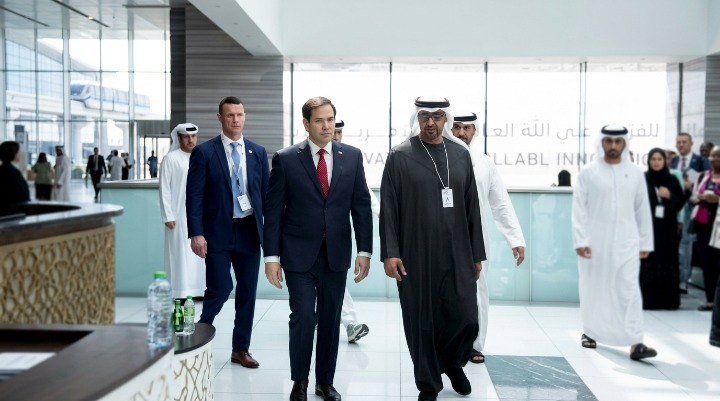
Marco Rubio is visiting UAE, Kuwait, and Bahrain for talks on Iran deal concerns with Gulf allies, highlighting shifting diplomacy, security coordination, and future regional stability discussions.
WEBDESK – SHARJAH NEWS
US Senator Marco Rubio has begun a regional tour covering the UAE, Kuwait, and Bahrain to discuss concerns surrounding the Iran nuclear agreement and broader security coordination with Gulf allies.
The visit includes high-level meetings aimed at strengthening diplomatic alignment between the United States and key Gulf states.
The discussions come at a sensitive time for regional politics, as international stakeholders reassess long-term security frameworks in the Middle East.
Core Diplomatic Agenda in Focus
Rubio’s trip involves consultations with officials in the United Arab Emirates, Kuwait, and Bahrain, focusing primarily on the future of Iran-related negotiations and regional stability.
Key topics include security cooperation, energy market stability, and diplomatic coordination among allied nations.
Officials are expected to exchange views on how evolving geopolitical developments may impact Gulf security structures.
Strategic Importance for Residents and Expats
For expatriates living in the Gulf, diplomatic talks of this scale often translate into indirect but real-world effects.
Regional stability plays a key role in job security, business confidence, and long-term residency decisions, especially for professionals working in energy, finance, and logistics sectors.
Any escalation or breakthrough in negotiations can influence confidence levels across multinational workforces in the UAE and neighboring states.
Financial and Lifestyle Implications
Energy markets in the Gulf are closely tied to geopolitical stability, meaning discussions around Iran can affect oil pricing expectations and investor sentiment.
Shifts in regional tension or cooperation often reflect in currency stability, cost of living, and corporate hiring patterns across Gulf economies.
For families and workers, these developments can influence rent trends, business expansion, and even long-term savings strategies in the region.
UAE’s Diplomatic Positioning
The UAE continues to position itself as a central diplomatic hub in regional negotiations, balancing economic growth with strategic security cooperation.
Engagement with visiting US lawmakers reflects ongoing efforts to maintain strong international alliances while safeguarding regional stability.
This approach supports the country’s broader goal of remaining a global center for trade, investment, and multicultural workforce integration.
For many expat families, geopolitical discussions in news headlines feel distant but still carry emotional weight.
A worker in Dubai, for example, may not directly engage in diplomacy, but still quietly follows news that could affect job security or family planning.
Parents often think about school stability, housing costs, and long-term residency when such international developments unfold.
This visit highlights how international diplomacy can indirectly shape daily life in the Gulf.
Residents may not see immediate changes, but policy discussions often influence economic conditions, investment flows, and regional confidence over time.
For job seekers, entrepreneurs, and investors, staying aware of such developments helps in planning future decisions more effectively.
Following the UAE, Kuwait, and Bahrain meetings, further diplomatic exchanges between US officials and Gulf leaders are expected.
Outcomes may contribute to renewed discussions on Iran policy coordination and regional defense cooperation frameworks.
Analysts suggest that continued engagement could either stabilize negotiations or highlight deeper geopolitical divisions depending on outcomes.
Broader Regional Direction
The Gulf region continues to play a central role in global diplomacy, especially in balancing energy interests with security priorities.
Ongoing discussions like this reflect a long-term trend of increasing diplomatic activity in the Middle East, particularly involving nuclear policy and regional alliances.
As global powers engage with Gulf allies, the region remains a critical bridge between diplomacy, energy stability, and economic confidence shaping future international relations.