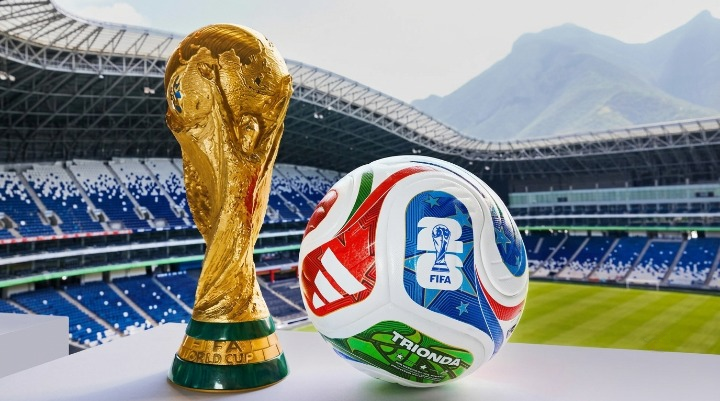
Experts warn that racist misinformation, AI-generated fake content and manipulated videos are spreading rapidly online during the 2026 FIFA World Cup, raising digital safety concerns.
WEBDESK – SHARJAH NEWS
Online Abuse Rises Alongside Global Football Tournament
The 2026 FIFA World Cup has united millions of football fans around the world, but it has also exposed a darker side of the digital landscape. Researchers and online safety experts have reported a sharp increase in racist misinformation and manipulated content circulating across social media platforms during the tournament.
The misleading posts have targeted players, fans and minority communities, with many spreading false claims, edited videos and fabricated images. Experts warn that the rapid spread of such content is undermining healthy public discussion and encouraging discrimination during one of the world’s biggest sporting events.
False Claims Spread Rapidly Online
Monitoring organizations say a significant amount of misleading content has appeared since the World Cup began.
Many posts falsely link football supporters or players from different ethnic backgrounds to criminal activity or violent incidents without evidence. Others recycle old videos from unrelated events and present them as recent scenes connected to the tournament.
Fact-checkers have identified several viral posts that gained millions of views before being challenged or removed.
Artificial Intelligence Adds to the Problem
Researchers say advances in artificial intelligence have made misinformation more convincing than ever.
AI-generated images, manipulated videos and fake audio clips are being shared to create misleading narratives about fans, migrant communities and players participating in the tournament.
Because many of these materials appear realistic, users often share them before verifying their authenticity.
Minority Communities Become Main Targets
Experts report that much of the misleading content focuses on minority groups, immigrants and football supporters from diverse backgrounds.
False stories frequently attempt to blame certain communities for isolated incidents or exaggerate security concerns surrounding matches.
Human rights organizations warn that such narratives can fuel discrimination and increase hostility both online and offline.
Fact-Checking Groups Step Up Efforts
Independent fact-checking organizations across Europe have intensified efforts to identify false claims linked to the World Cup.
Teams are working around the clock to verify viral videos, images and social media posts before publishing corrections.
Many organizations are also encouraging users to verify information through trusted news sources before sharing sensational content.
Social Media Platforms Face Renewed Scrutiny
The rise in misinformation has once again placed major social media companies under pressure.
Critics argue that harmful posts often spread widely before moderation systems respond, allowing false narratives to reach millions of users.
Technology companies say they continue investing in artificial intelligence, human moderators and community reporting tools to reduce the spread of harmful content.
Experts Urge Greater Digital Responsibility
Media researchers believe users play an important role in limiting misinformation.
They advise people to verify information before reposting it, check original sources and avoid engaging with accounts that repeatedly publish misleading or hateful material.
Experts also recommend using trusted fact-checking websites whenever questionable content appears online.
Football Should Unite, Not Divide
Sports organizations have repeatedly emphasized that football should promote inclusion, respect and unity.
Officials say racism and discrimination have no place in the sport and continue supporting campaigns encouraging equality among players and supporters.
The latest wave of online misinformation highlights how digital platforms can sometimes undermine those efforts if false narratives are allowed to spread unchecked.
Authorities Continue Monitoring Online Activity
European authorities and online safety organizations say they will continue monitoring misinformation throughout the remainder of the World Cup.
Investigators are working with digital platforms and fact-checking groups to identify coordinated campaigns designed to spread false information or encourage racial hatred.
Officials hope stronger cooperation between governments, technology companies and independent researchers will help reduce harmful online activity during future international sporting events.
Digital Literacy Remains Essential
As global sporting events increasingly become targets for misinformation campaigns, experts believe digital literacy is becoming more important than ever.
Understanding how manipulated content spreads and learning to verify information before sharing it can help protect public discussion from false narratives.
While the World Cup continues to celebrate football on the field, experts say the fight against online misinformation remains just as important off it.