

The latest Henley Passport Index 2026 highlights significant disparities in global travel freedom, with Asian and European nations maintaining a strong lead while many developing countries face continued mobility restrictions.
Singapore remains at the top of the index, offering its citizens visa-free or visa-on-arrival access to 192 destinations. Japan and South Korea share second place, each with access to 188 countries. The index, compiled by global citizenship advisory firm Henley & Partners using data from the International Air Transport Association (IATA), ranks passports according to the ease of international travel without prior visa requirements.
European Nations Lead Upper Rankings
Europe continues to dominate the top tiers. Denmark, Luxembourg, Spain, Sweden, and Switzerland jointly occupy third place with visa-free access to 186 destinations. Ten additional European countries—including Germany, France, Italy, and the Netherlands—share fourth place, with access to 185 destinations.
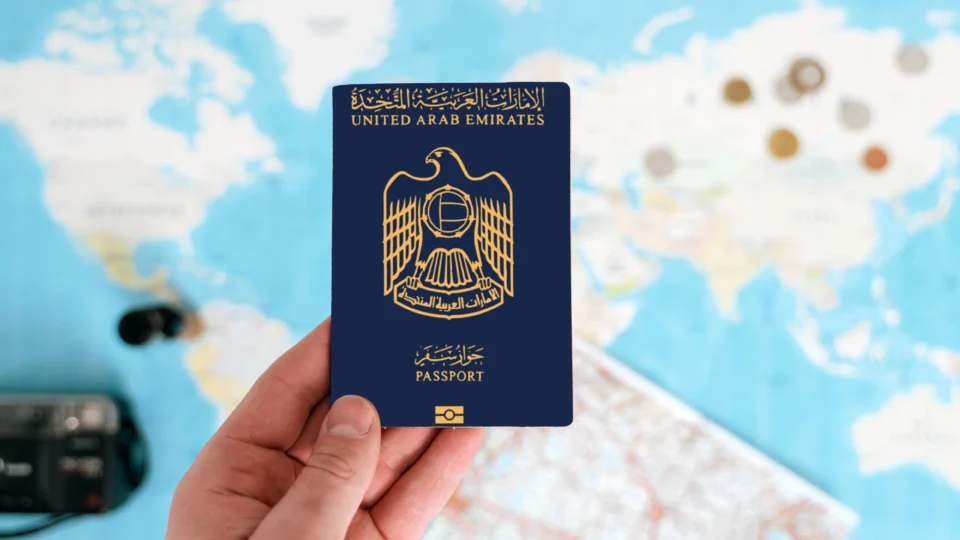
Fifth place is jointly held by Hungary, Portugal, Slovakia, Slovenia, and the United Arab Emirates (UAE), each providing access to 184 destinations. The UAE has shown remarkable improvement over the past two decades, adding 149 visa-free destinations since 2006, a rise attributed to diplomatic engagement and visa liberalization efforts.
Shifts Among Traditional Powerhouses
The United Kingdom and Australia remain in the top ten but have seen gradual declines. The UK now ranks seventh, while Australia shares the position alongside Latvia and Liechtenstein. The United States holds tenth place in 2026, granting access to 179 destinations, a modest recovery after a brief drop in late 2025. However, long-term trends indicate declining mobility for both the US and UK, reflecting shifting diplomatic relations and global dynamics.
Mobility Gap Widens
At the lower end of the index, Afghanistan remains the least powerful passport globally, with visa-free access to just 24 destinations. Syria and Iraq follow closely, ranking 100th and 99th, respectively. The gap between the most and least powerful passports now stands at 168 countries, underscoring a persistent divide in global mobility.
“Passport strength reflects more than travel convenience,” analysts at Henley & Partners noted. “It indicates political stability, international credibility, and a nation’s ability to engage effectively on the global stage.”
Dual Citizenship on the Rise
The report highlights growing interest in dual citizenship, particularly among high-net-worth individuals seeking increased travel freedom and economic security. While some countries have tightened citizenship-by-investment programs, political debates—such as the proposed US “Exclusive Citizenship Act”—have also sparked discussion about dual nationality rights.
Top 10 Most Powerful Passports for 2026
-
Singapore – 192 destinations
-
Japan, South Korea – 188
-
Denmark, Luxembourg, Spain, Sweden, Switzerland – 186
-
Austria, Belgium, Finland, France, Germany, Greece, Ireland, Italy, Netherlands, Norway – 185
-
Hungary, Portugal, Slovakia, Slovenia, UAE – 184
-
Croatia, Czech Republic, Estonia, Malta, New Zealand, Poland – 183
-
Australia, Latvia, Liechtenstein, United Kingdom – 182
-
Canada, Iceland, Lithuania – 181
-
Malaysia – 180
-
United States – 179
