

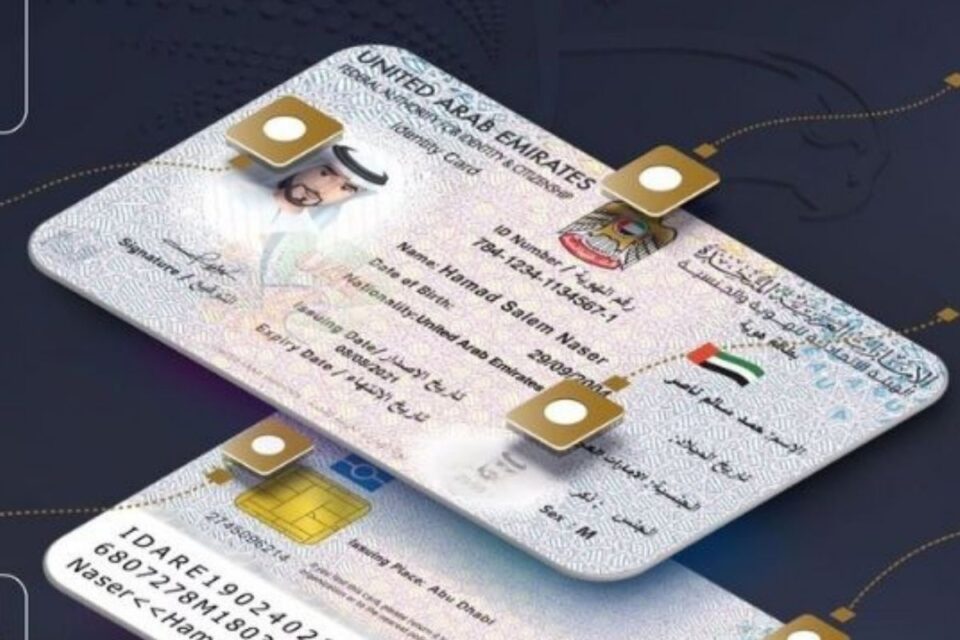
The United Arab Emirates (UAE) is preparing to phase out physical Emirates ID cards as it rolls out a cutting-edge digital identity system powered by facial recognition. This transformation, announced in 2025, will reshape how residents access government services, travel within the GCC, and verify their identity online — all without a physical ID.
Under the supervision of the Federal Authority for Identity, Citizenship, Customs and Port Security (ICP), this digital Emirates ID initiative will integrate biometric facial data into a secure national platform. It’s a bold move toward the UAE’s paperless, contactless, and seamless future — one that could make wallet-stored identity cards obsolete within the next few years.
What Is the UAE’s New Digital ID System?
The new digital identity program is designed to replace the physical Emirates ID card with a facial recognition-based digital ID, accessible via smartphone apps and integrated into national service systems.
Core Features of UAE’s Digital ID System
Feature – Description
Facial Recognition – Secure biometric scans for instant identity matching
App-Based Access – Integrated into UAE Pass and federal apps
No Physical Card Needed – Fully digital identity verification
Real-Time Updates – Cloud-synced for instant status changes
GCC Integration – Will allow travel within Gulf countries
Why Is the UAE Moving Away from Physical Emirates ID Cards?
The Emirates ID has long served as the primary identification tool for UAE residents and citizens, but the government aims to create a smarter, faster, and safer system. Key motivations include:
-
Faster Access to Services: One scan replaces multiple forms of ID
-
Fraud Reduction: Biometric IDs are harder to fake or misuse
-
Paperless Vision 2031: Part of the UAE’s broader digital governance roadmap
-
Improved Mobility: Enables GCC-wide use without documents
-
COVID-Era Learnings: Boosted demand for contactless ID tech
By eliminating the need to carry or renew a physical card, the UAE digital ID with face recognition supports seamless access to banking, healthcare, immigration, and employment systems.
How Will Residents Use the Digital ID?
Residents will use their UAE Pass and other government-issued digital apps to:
-
Verify identity at airports and immigration counters
-
Access public and private services (Etisalat, DEWA, SEWA)
-
Authenticate for government forms, banking & e-signatures
-
Log in securely to e-services portals and apps
-
Vote in future digital referendums or e-consultations
Once your facial scan is linked to the national digital registry, you won’t need to show or scan a plastic ID card — your face becomes your access point.
What About the Emirates ID Card? Will It Be Discontinued?
As of mid-2025, physical Emirates ID cards will still be valid, but the long-term plan is to phase them out gradually.
Current Status – Future Plan
Emirates ID required – Still used for travel, banking & visas
Digital ID optional – Expected to become primary by 2026–2027
Facial ID in use – Already tested in immigration & airports
The ICP is expected to set timelines for mandatory digital ID adoption, especially for new visa applicants and renewals.
Benefits of UAE’s Digital Facial Recognition ID System
Benefit – Impact
No need to carry ID – All verifications via facial scan
Faster government service access – Reduced queues and form-filling
Higher security – Reduces ID theft and forgery
Greater cross-border convenience – Will aid GCC integration and travel
Sustainability – Reduces plastic card production and waste
This transition also contributes to UAE’s Net Zero 2050 and Smart Government strategies, making digital identity a tool for climate, economic, and security goals.
How This Impacts Visa Applicants, Job Seekers, and New Residents in the UAE
As the UAE moves toward a fully digital ID ecosystem, the shift will significantly impact new visa holders, job seekers, and first-time residents entering the country in 2025 and beyond.
Key Implications:
-
Visa Issuance & Renewals: Facial recognition will soon become part of the residency visa process — replacing the need for manual biometric updates or ID card issuance.
-
Hiring & Employment Portals: Government hiring systems, job portals like Nafis and Tawdheef, and private HR platforms will be required to adopt digital ID verification.
-
Real Estate & Banking: New expats will be able to sign digital tenancy contracts, open bank accounts, and complete Know Your Customer (KYC) verifications using their face-based digital identity.
For new arrivals who previously had to wait for their Emirates ID card to begin transactions, this removes weeks of delays and provides instant onboarding into the UAE ecosystem. This is especially helpful for entrepreneurs, freelancers, and digital nomads under the UAE’s Golden Visa, Green Visa, or Remote Work Visa programs — all of whom depend on fast-track document clearance.
FAQs: UAE Digital ID and Facial Recognition
Q1: Will physical Emirates IDs be cancelled immediately?
No. Physical cards remain valid in 2025. The digital system will run in parallel before becoming standard.
Q2: Is UAE facial recognition ID secure?
Yes. Data is encrypted and stored on national government servers with multi-level biometric verification.
Q3: Can expats use the digital ID system?
Yes. All residents, including expats, will be eligible for the digital identity platform.
Q4: Will I need internet access to use my digital ID?
Most features will require connectivity, but some functions may work offline via secure digital wallets.
Q5: Is UAE Pass being replaced?
No. UAE Pass will remain central and likely integrate the new facial recognition features.
Use Cases: Where the Digital Emirates ID Will Be Used
-
Airports & border control (Dubai, Abu Dhabi, Sharjah)
-
Healthcare check-ins
-
DEWA/SEWA/Etisalat customer verification
-
e-Commerce age verification
-
Digital real estate contracts
-
UAE job portals and hiring systems
-
Online banking KYC
Final Insight
The UAE’s transition to a digital facial recognition ID system marks a paradigm shift in public governance and citizen convenience. It eliminates the need for plastic cards, increases security, and supports smart service access for all.
While the physical Emirates ID remains valid in 2025, all signs point to a near-future where your face is your ID, and services recognize you before you even ask.
As one of the first nations to attempt this at scale, the UAE is setting a global benchmark for digital identity management in the 21st century.
For More Information, Stay Connected With Sharjah News! You Can Also Follow Us On Facebook To Stay Updated.
