

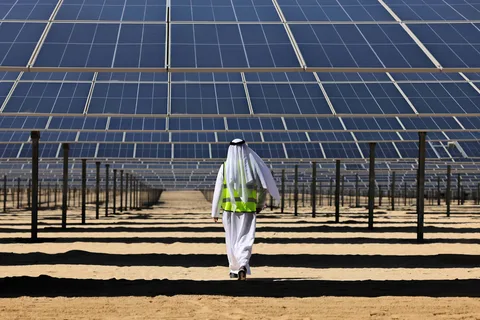
In a significant leap toward the UAE’s green energy vision, Sheikh Sultan Bin Ahmed Al Qasimi, Deputy Ruler of Sharjah and Chairman of the Sharjah Petroleum Council (SPC), recently inaugurated the 60 MW Sana Solar Power Plant in the Al Sajaa Industrial Area.
This momentous event not only highlights the emirate’s progressive approach to sustainability but also reinforces Sharjah’s alignment with the UAE’s carbon neutrality goals.
The Visionary Behind the Inauguration: Sheikh Sultan Bin Ahmed
At the heart of this landmark project stands Sheikh Sultan Bin Ahmed Al Qasimi, a known advocate of progressive energy reform and environmental responsibility. By officially inaugurating the Sana Solar Power Plant, he emphasized Sharjah’s longstanding commitment to energy diversification, sustainability, and innovation.
During the inauguration ceremony, Sheikh Sultan commended the plant’s developers and stakeholders for their role in transforming Sharjah into a renewable energy hub. He stressed the importance of integrated efforts from both public and private sectors in achieving net-zero emissions by 2050—a key component of the UAE’s National Energy Strategy 2050 and Sharjah’s carbon neutrality 2032 target.
About the Sana Solar Power Plant
Project Scale and Technical Specs
The Sana Solar Power Plant is designed with a total generation capacity of 60 megawatts (MW), covering a vast area within the Al Sajaa Industrial Zone—a strategic location selected for its industrial demand and solar exposure. The plant utilizes advanced photovoltaic (PV) panels and automated tracking technology to maximize solar absorption and output.
The facility will power SNOC’s operations, particularly the nearby Saih Rawl gas processing facilities, while also exporting excess electricity into Sharjah’s main grid via SEWA’s transmission infrastructure.
Feature Specification
-
Location: Al Sajaa Industrial Area, Sharjah
-
Capacity: 60 MW
-
Technology: Photovoltaic (PV) with tracking systems
-
Partners: SNOC, SEWA, Masdar, EDF (Emerge)
-
Operation Date: June 2025
-
Energy Use: SNOC operations + Sharjah grid surplus
A Model of Public-Private Collaboration: SNOC, SEWA & Emerge
The successful execution of the Sana Solar Power Project is a testament to strategic public-private collaboration:
-
SNOC (Sharjah National Oil Corporation) spearheaded the development as the key operator, ensuring that renewable power integrates seamlessly with hydrocarbon-based infrastructure.
-
SEWA (Sharjah Electricity, Water and Gas Authority) played a pivotal role in grid connectivity and energy distribution.
-
Masdar and EDF (via their JV “Emerge”) brought in global expertise in solar plant development and operations, highlighting Sharjah’s openness to international clean-tech investment.
This type of collaborative model ensures both energy security and environmental responsibility, making it replicable across other emirates.
Why This Solar Plant Matters: Sharjah’s Clean Energy Transition
Sharjah’s energy policies are swiftly pivoting toward sustainable solutions, and the Sana Solar Power Plant is a significant stride in that direction. The project:
-
Reduces Sharjah’s reliance on gas-fired electricity
-
Supports carbon emissions reduction targets (estimated thousands of tons annually)
-
Enhances energy efficiency in Sharjah’s industrial heartland
-
Builds local capacity in renewable energy project management
-
Sets the stage for future solar plant expansion across the emirate
By powering both SNOC operations and feeding surplus into the grid, the plant ensures energy circularity—where industrial consumption and public energy needs are met sustainably.
How Sana Solar Plant Elevates Sharjah in the UAE’s Solar Expansion
As the UAE accelerates its transition toward clean energy, Sharjah is emerging as a vital contributor to the national renewable energy ecosystem. While Abu Dhabi and Dubai have long led the charge with mega projects like Noor Abu Dhabi and Mohammed bin Rashid Al Maktoum Solar Park, Sharjah’s Sana Solar Power Plant signals a strategic shift—showing that all emirates are now actively contributing to the country’s Net-Zero 2050 goals.
With the launch of the 60 MW Sana solar facility, Sharjah not only secures its own energy resilience but also integrates itself into the UAE’s broader clean energy portfolio. The plant’s design to supply power during the day and export surplus to SEWA ensures that clean energy is optimized across both industrial and public sectors.
UAE’s National Renewable Goals at a Glance:
| Target | Status |
|---|---|
| 50% clean energy mix by 2050 | In progress, led by solar and nuclear |
| 44% reduction in carbon emissions by 2030 | Supported by solar scale-ups like Sana |
| 100 GW renewable energy target by 2030 | Masdar’s international focus; Sana contributes locally |
| Carbon neutrality in all emirates | Sharjah aims for Net-Zero by 2032 |
The UAE aims to reach net-zero carbon emissions by 2050, and Sharjah has its own accelerated target of 2032. The Sana Solar Power Plant aligns perfectly with these objectives.
This initiative reduces dependence on fossil fuels and offers an operational blueprint for future projects. It demonstrates how solar energy infrastructure can be deployed at scale to not only meet industrial demand but also reduce greenhouse gas emissions significantly.
Related Long-Term Targets:
-
UAE National Energy Strategy 2050
-
Sharjah’s Carbon Neutral 2032 Plan
-
Masdar’s 100GW global clean energy target by 2030
Leadership Quotes About Sana Solar Power Plant in Sharjah
Sheikh Sultan Bin Ahmed stated:
“This project embodies Sharjah’s responsibility to the environment and future generations. It represents our leadership in sustainable development and our partnership with the global energy community.”
Hatem Al Mosa, CEO of SNOC, said:
“Sana Solar Plant is more than an energy source—it’s a message. A message that Sharjah is serious about clean energy, innovation, and economic resilience.”
Future Impact of Sana Solar Power Plant in Sharjah
The successful launch of the Sana Solar Power Plant opens doors for:
-
More solar farms in industrial clusters across Sharjah
-
Incentivized clean-tech investment from global players
-
Policy frameworks that promote renewable energy subsidies
-
Expansion of SEWA’s grid infrastructure for future renewables
As the UAE continues to diversify its energy mix, the model used for the Sana project may influence both federal energy regulations and incentive frameworks for private sector participation in clean energy projects.
Final Thoughts
The inauguration of the Sana Solar Power Plant is more than a regional event—it’s a symbol of visionary leadership, technological advancement, and climate responsibility.
With Sheikh Sultan Bin Ahmed Al Qasimi at the helm, and through collaborations with SNOC, SEWA, and Masdar-EDF, Sharjah is fast becoming a national leader in renewable energy deployment.
This project proves that solar energy is not only viable in the UAE—it’s vital. As other emirates watch and learn, Sana could well be the prototype for future energy systems across the Middle East.
For More Information, Stay Connected With Sharjah News! You Can Also Follow Us On Facebook To Stay Updated.
