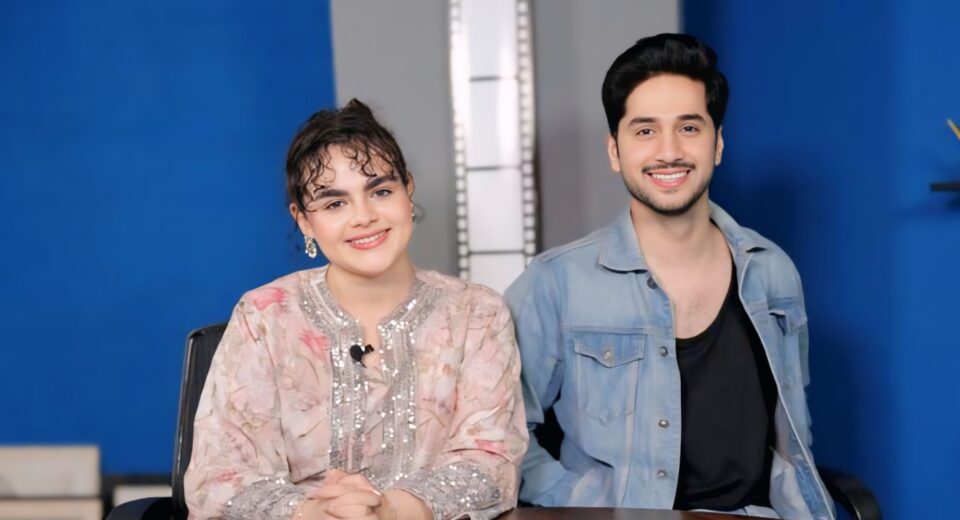
Qudsia Ali Toxic Relationships became the focus of an honest conversation as actors Qudsia Ali and Abbas Ashraf spoke about emotional abuse, warning signs, and the importance of speaking up. While promoting their drama Aik Mohabbat Aur, both actors shared why the story matters and how it reflects issues many people face in real life.
The actors play Maham and Faris in Aik Mohabbat Aur, a drama that explores emotional abuse, manipulation, and unhealthy relationships. Through their characters, they hope viewers understand how toxic behavior can affect someone’s life and why it should never be ignored.
Qudsia Ali revealed that working with director Farooq Rind had been one of her biggest dreams. She said she had even sent him a Facebook message years ago, hoping they would work together one day. When she was finally cast in the drama, she reminded him that she had wished for this opportunity long before the project was announced.
Abbas Ashraf also described the drama as a special project. He thanked Green Entertainment’s content team, especially Alina and Faiza, for believing in him. He said learning that Farooq Rind would direct the drama and Faiza Iftikhar had written the script made him even more excited. After reading the story, he felt it was a meaningful project that deserved complete dedication. When he got the role, he first offered a prayer of gratitude before sharing the happy news with his mother.
Both actors believe Aik Mohabbat Aur is much more than another television drama. They see it as a story that starts important conversations about emotional abuse and unhealthy relationships.
During the interview, Qudsia Ali Toxic Relationships remained an important topic as the actress encouraged girls to never stay silent. She said many women continue to accept emotional abuse because they worry about society or fear what people will say. However, she believes silence only gives more power to toxic behavior.
Qudsia advised girls to first speak to their parents if they are facing emotional abuse. If they do not receive support immediately, they should continue reaching out to someone they trust. According to her, no one’s opinion is more important than a person’s peace, safety, and mental well-being.
Abbas Ashraf agreed with her views. He explained that when harmful behavior is accepted without consequences, it slowly becomes normal. Unless someone decides to stop the cycle, it can continue for years and even affect future generations.
The discussion also explored why many young women still ignore red flags despite growing awareness. Qudsia believes insecurity is often the main reason. She said people sometimes look for validation from others and begin overlooking unhealthy behavior. She admitted she also struggled with insecurities about her appearance in the past. Over time, she learned to stop comparing herself with others and became more confident.
She also pointed to social media as a major source of comparison. Constantly seeing perfect-looking lives online can make people feel they are not good enough. Instead, she encouraged young women to focus on their own personal growth and trust their journey.
Abbas shared that men also experience insecurity. He admitted there were times when he compared his career with others. However, he learned that comparison never ends and that people should appreciate their own progress instead of measuring success against someone else.
Looking ahead, Qudsia hopes the industry gives actors more diverse roles instead of limiting them to one type of character. She wants to be part of stories that discuss important topics such as mental health, therapy, emotional unavailability, and narcissism.
Abbas also sees Aik Mohabbat Aur as the beginning of a longer journey. He hopes his work will inspire others and encourage meaningful conversations. Through Qudsia Ali Toxic Relationships and the drama’s powerful message, both actors want audiences to recognize emotional abuse early and understand that no one should ever stay silent.