

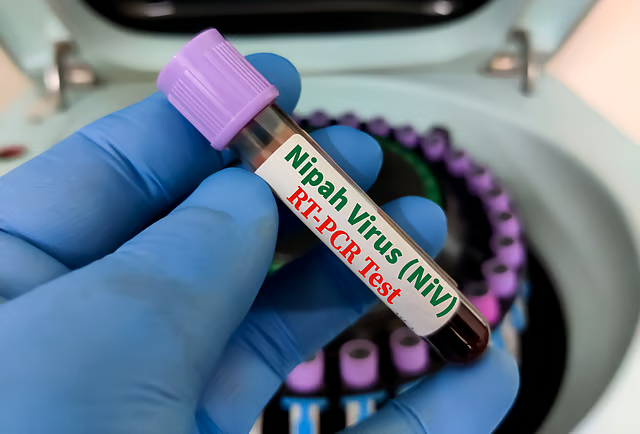
India has been placed on high alert following renewed concerns over the Nipah virus, a rare but highly deadly zoonotic disease that has triggered outbreaks in parts of the country in recent years. Health authorities are closely monitoring suspected cases and intensifying surveillance to prevent any potential spread.
The Nipah virus (NiV) was first identified in 1999 during an outbreak in Malaysia. It is primarily transmitted from animals to humans, with fruit bats—also known as flying foxes—considered the natural carriers. The virus can spread to humans through direct contact with infected bats, pigs, or contaminated food, such as fruits or raw date palm sap. Human-to-human transmission is also possible, particularly through close contact with bodily fluids.
Symptoms of Nipah virus infection can vary widely. Early signs often resemble common illnesses and include fever, headache, muscle pain, vomiting, and sore throat. In severe cases, the infection can progress rapidly to acute respiratory distress, seizures, encephalitis (brain inflammation), and coma. The virus is particularly concerning due to its high fatality rate, which can range from 40% to as high as 75%, depending on the outbreak and quality of medical care.
Currently, there is no specific antiviral treatment or approved vaccine for Nipah virus. Medical care focuses on supportive treatment, including managing symptoms and preventing complications. This makes early detection, isolation of suspected cases, and strict infection-control measures critical in containing outbreaks.
Indian authorities have urged the public not to panic but to remain vigilant. Hospitals have been advised to follow strict protocols, while contact tracing teams are working to identify and monitor anyone who may have been exposed. Experts emphasize the importance of avoiding consumption of partially eaten fruits, maintaining hygiene, and reporting symptoms early.
As India remains on alert, health officials stress that preparedness and public awareness are key to preventing a wider health emergency.
