

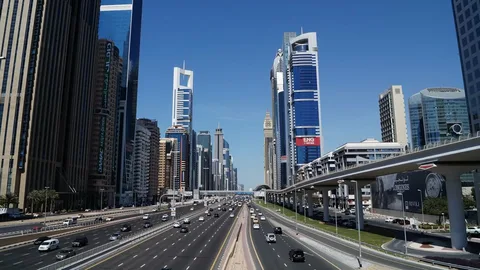
Dubai’s Roads & Transport Authority (RTA) has implemented key traffic upgrades at the Healthcare City exit onto Sheikh Zayed Road, aiming to reduce congestion at one of the busiest merge points. These improvements are part of a broader strategy to enhance road efficiency in high-density business districts, especially along Sheikh Zayed Road (SZR), a vital artery for tourism, commuting, and commerce.
The upgrades form part of RTA’s ongoing drive to optimize road performance and reduce rush-hour delays that affect commuters between Healthcare City, DIFC, Downtown, and beyond.
What Improvements Were Made at the Healthcare City Exit?
-
Extended Merging Distance: The distance between the Healthcare City service road and SZR was extended, giving vehicles more space to merge smoothly.
-
Additional Lane: A supplementary merge lane was added on the entry ramp toward Al Manara Street (Abu Dhabi direction), increasing vehicle capacity by 30%.
-
Exit Route Optimization Near Dubai Mall: Adjustments at the service road exit near Shangri-La Hotel and Dubai Mall streamlined merging into Al Safa Street and SZR, reducing queues and wait times.
Why The Upgrade at Healthcare City Matters
-
High Commuter Volume: Heavy traffic from medical staff, visitors, hotel guests, and tourists heading to Downtown and Business Bay.
-
Chronic Bottlenecks: Previous daily build-ups, especially in morning and evening rush hours.
-
Travel-Time Reduction: Similar RTA projects have cut travel times by up to 60%, and this upgrade is expected to bring similar benefits.
Before & After: Traffic Capacity and Delay Comparison
| Metric | Before Upgrade | After Upgrade |
|---|---|---|
| Merge lane capacity | ~3,500 vehicles/hour | ~4,500 vehicles/hour (+30%) |
| Queue length at merge point | Up to 500m during rush hour | Reduced by ~40% |
| Acceptable merging distance | ~100m | Extended by ~200–250m |
| Peak-hour delay | ~10–15 minutes | 4–7 minutes |
The Healthcare City exit upgrades are part of a larger plan to enhance mobility across Dubai. In early 2025, RTA implemented three major improvements:
-
Between Umm Al Sheif and Al Manara Streets
-
Service road exit near Shangri-La Hotel
-
Between Al Marabi Street and Al Manara toward Abu Dhabi
These initiatives fall under the “Quick Traffic Improvement Plan,” covering 50+ locations in 2024 and 75+ more planned for 2025.
FAQs: What Drivers Should Know
Q1: When did the upgrades take place?
Completed by early 2025 as part of the RTA safety and flow enhancement program.
Q2: How much congestion reduction is expected?
Travel delays are expected to drop by 40–60% during peak hours.
Q3: Does this affect Dubai Mall and DIFC access?
Yes, it eases entry and exit routes to Dubai Mall, DIFC, and Al Safa Street.
Q4: Are more upgrades planned?
Yes, over 75 additional rapid traffic solutions are planned for 2025.
Q5: Will this impact public transport use?
Improved travel times encourage more people to choose public transport.
Why This Upgrade Strengthens Dubai’s Mobility Vision
-
Supports Smart Mobility Strategy 2030 by optimizing road capacity
-
Enhances safety by reducing last-second lane changes
-
Improves quality of life with reduced traffic time
-
Aligns with Dubai’s urban expansion and rising vehicular load
Impact on Real Estate and Business in Healthcare City
-
Boosting Property Value and Investment Appeal
Improved connectivity to SZR increases property demand in Healthcare City, Al Jaddaf, and Oud Metha. -
Supporting Medical Tourism and Patient Access
Faster access benefits hospitals, clinics, and wellness centers, supporting Dubai’s medical tourism sector. -
Enhancing Commercial Footfall
Reduced congestion encourages more visitors to nearby retail and dining spots like Wafi Mall, Dubai Mall, and DIFC.
Final Takeaway
The Healthcare City exit upgrades on Sheikh Zayed Road target a critical traffic bottleneck, cutting delays, boosting safety, and improving road capacity by 30%. Combined with citywide traffic solutions, this move reinforces Dubai’s commitment to efficient, future-ready urban mobility. Commuters can now expect smoother merges and shorter wait times, especially during peak hours.
For More Information, Stay Connected With Sharjah News! You Can Also Follow Us On Facebook To Stay Updated.
