

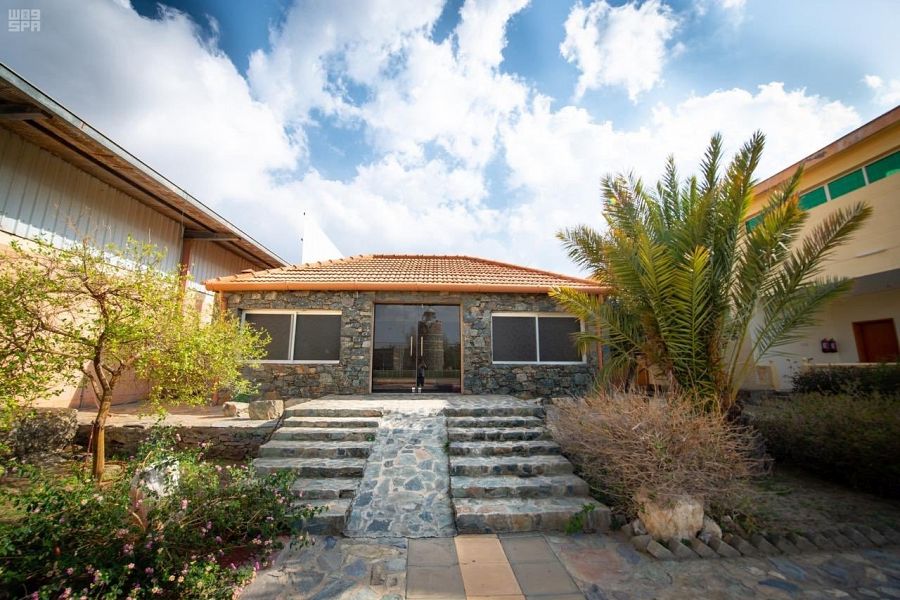
Baha’s Farms Are Cultivating More Than Crops
Nestled in the scenic highlands of southwest Saudi Arabia, Baha Province has always been known for its terraced fields, mountain springs, and heritage agriculture. But today, these same farms are gaining new life—not just as agricultural centers, but as immersive tourism destinations.
Supported by Saudi Arabia’s Vision 2030 strategy, Baha’s transformation into a top agri-tourism destination is driving rural revitalization while preserving its cultural and environmental legacy.
From Agriculture to Authentic Experiences
Baha’s farms now offer more than just produce. Visitors engage in hands-on experiences that blend education, culture, and sustainability:
-
Fruit picking and traditional planting
-
Guided walks through ancient terraces
-
Rose distillation and organic honey workshops
-
Farm-to-table meals and seasonal festivals
This shift supports global trends in agri-tourism and aligns with Saudi Arabia’s goals to diversify its economy and boost rural tourism.
Top Agri-Tourism Farms in Baha
| Farm/Destination | Specialty | Visitor Experience |
|---|---|---|
| Raghadan Rose Farm | Damask Roses & Oils | Rose-picking, distillation demos, seasonal rose festivals |
| Al-Mikhwat | Organic Herbs & Aquaponics | Farm tours, tastings, and children’s workshops |
| Baljurashi Vineyards | Grapes & Figs | Vineyard tours, jam-making, picnic packages |
| Wadi Al-Qura Farm | Beekeeping & Grains | Honey tastings, wheat demos, traditional cooking classes |
These farms, backed by the Ministry of Environment, Water and Agriculture, are part of a broader rural development strategy.
How Baha’s Agri-Tourism Supports Vision 2030
| Vision 2030 Goal | Agri-Tourism Contribution |
|---|---|
| Economic Diversification | Generates tourism revenue alongside agriculture |
| Job Creation | Employs local youth, women, and families |
| Cultural Preservation | Revives traditions in farming, food, and crafts |
| Sustainability | Promotes eco-tourism and organic farming practices |
Baha’s farm experiences contribute directly to national priorities by creating a model that is profitable, sustainable, and culturally enriching.
Impact on Local Communities
Agri-tourism has introduced new income channels in rural areas of Baha:
-
Farm Stays & Eco-Lodges
-
Retail of Local Products: Rosewater, honey, herbal oils, crafts
-
Food Services: Traditional meals prepared by local women
-
Guided Tours: Storytelling and hands-on learning with young locals
This model is empowering communities while preserving local knowledge and craftsmanship.
Overcoming Challenges in Baha’s Agri-Tourism Growth
| Challenge | Strategic Response |
|---|---|
| Seasonal Visitor Limitations | Introduce greenhouses and all-season activities |
| Limited Digital Visibility | Expand SEO, booking platforms, and social media marketing |
| Inadequate Infrastructure | Invest in roads, signs, and multilingual guide services |
| Environmental Concerns | Enforce sustainable tourism guidelines and waste management plans |
Continued coordination between local authorities, farm owners, and tourism bodies is key to scaling responsibly.
What Tourists Can Expect in Baha
Baha offers deeply immersive and educational experiences for all ages:
-
Bread-making from freshly milled grains
-
Ancient irrigation using mountain spring water
-
Local harvest festivals and cultural storytelling
-
Shopping for certified organic products
-
Visiting heritage farms doubling as museums
These are curated through the support of the Saudi Tourism Authority and regional initiatives.
Why Baha Is Among the Best Rural Destinations in Saudi Arabia
With its pleasant climate, historic agriculture, and modern amenities, Baha is becoming a favorite for nature-focused and cultural travelers. Search volume trends in 2024–2025 have spiked for:
-
“Best rural destinations in Saudi Arabia”
-
“Agri-tourism in Saudi Arabia”
-
“Eco-lodges in Baha”
-
“Farm stays in Saudi Arabia”
Its proximity to Al-Baha Regional Airport and improved highway access also make it a convenient weekend escape for domestic and GCC travelers.
Frequently Asked Questions (FAQs)
Q1: When is the best time to visit Baha’s farms?
A: Spring (March–May) and autumn (September–November) offer the best weather and seasonal activities.
Q2: Are there family-friendly experiences?
A: Yes, farms offer child-friendly events like fruit picking and petting zoos.
Q3: Are overnight stays available?
A: Many farms offer eco-lodges and traditional guesthouses with meals.
Q4: Are the farms organic?
A: Most participating farms use organic methods and are certified or follow eco-friendly practices.
Q5: How can I book a tour?
A: Bookings can be made via Visit Saudi, third-party travel sites, or directly with the farms.
Conclusion: Baha’s Farms—Where Heritage Meets Hospitality
Baha is redefining what rural tourism means in Saudi Arabia. Its blend of agriculture, culture, and visitor engagement provides a compelling model for sustainable development. Each rose harvested, each honey jar filled, tells a story of a community preserving its roots while embracing its future.
As Vision 2030 accelerates, Baha’s agri-tourism success shows how rural regions can thrive—offering meaningful travel experiences and stronger, self-sustained local economies.
For More Information, Stay Connected With Sharjah News! You Can Also Follow Us On Facebook To Stay Updated.
