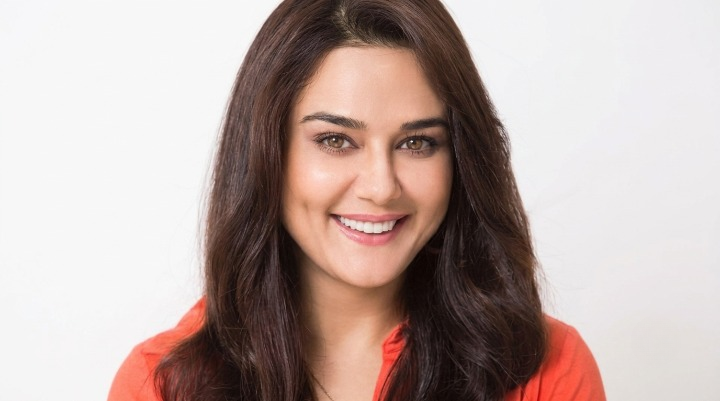
Preity Zinta secures interim relief from the Bombay High Court after seeking action against AI-generated deepfakes, fake videos and morphed content using her identity.
WEBDESK – SHARJAH NEWS
Bollywood actor Preity Zinta has secured interim relief from the Bombay High Court in a landmark legal battle against the misuse of artificial intelligence. The court has ordered the removal of unauthorized deepfake videos, morphed images and other AI-generated content that allegedly used her identity without consent.
The decision is being viewed as a significant step toward protecting celebrities from digital impersonation and the growing misuse of AI technology. It also highlights the increasing concern over how artificial intelligence can be used to damage an individual’s reputation.
Bombay High Court Orders Removal of Fake Content
Hearing Preity Zinta’s petition, the Bombay High Court directed online platforms to take down manipulated content featuring the actor.
The court observed that using a person’s image, voice or likeness without permission could violate their fundamental rights and cause lasting reputational harm. It also reminded digital platforms of their legal obligation to respond quickly when unlawful content is reported.
Preity Zinta Raises Concerns Over AI Misuse
In her plea, Preity Zinta alleged that several websites and online platforms were hosting AI-generated material that falsely portrayed her.
According to the petition, the unauthorized content included deepfake videos, digitally altered photographs and AI-generated interactions created without her approval. Her legal team argued that such material infringes upon her personality rights, publicity rights and overall reputation.
Court Recognizes the Importance of Personality Rights
While granting interim relief, the High Court acknowledged Preity Zinta’s long-standing public image, built through decades of work in the Indian film industry.
The judge noted that celebrities have the right to protect their identity from unauthorized commercial or misleading use. The court found that the actor had established a strong prima facie case, making interim protection necessary until the matter is fully heard.
Online Platforms Asked to Act Responsibly
The court also stressed the role of social media companies and digital platforms in limiting the spread of harmful AI-generated content.
It observed that prompt action by intermediaries can significantly reduce the circulation of manipulated material and help prevent further damage to an individual’s reputation.
Deepfake Technology Creates New Legal Challenges
Artificial intelligence has made it easier than ever to create highly realistic fake videos, images and voice recordings.
Although the technology offers many benefits in entertainment and content creation, experts warn that it is increasingly being misused for impersonation, misinformation, fraud and online harassment. As deepfakes become more convincing, governments and courts around the world are working to strengthen legal protections.
More Celebrities Are Turning to the Courts
Preity Zinta is among a growing number of public figures seeking legal action against the misuse of AI-generated content.
Several actors and entertainers have recently approached Indian courts after discovering fake videos and manipulated images circulating online. These cases are expected to play an important role in shaping future laws surrounding personality rights and artificial intelligence.
A Landmark Step for Digital Privacy
Legal experts believe the High Court’s observations could influence future cases involving AI-generated media and online identity theft.
The ruling reinforces the idea that technological innovation must be balanced with an individual’s right to privacy, dignity and reputation. It also sends a clear message that digital platforms cannot ignore complaints involving manipulated content.
Entertainment Industry Watching Closely
The case has attracted widespread attention across the entertainment industry, where concerns about AI-generated content continue to grow.
Actors, filmmakers and creators are increasingly calling for stronger safeguards to prevent their identities from being exploited through rapidly advancing technology.
A Strong Message in the AI Era
Although the lawsuit is still pending, the interim relief granted to Preity Zinta marks an important victory in the fight against digital impersonation.
The Bombay High Court’s order signals that unauthorized AI-generated content will face greater legal scrutiny and reinforces the importance of protecting personality rights in an era where artificial intelligence is reshaping the digital world.