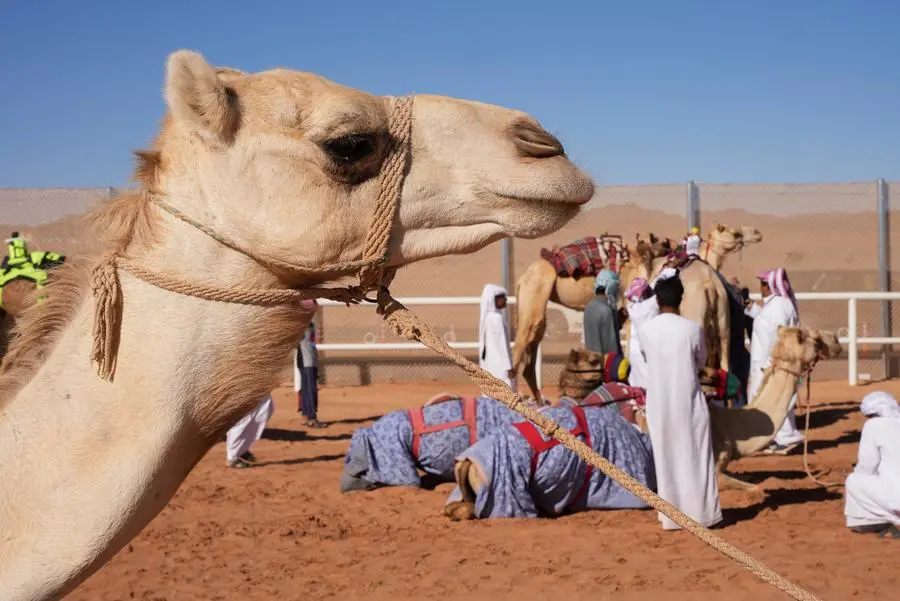
Saudi Arabia has launched a new “camel passport project” aimed at regulating, organizing, and modernizing the country’s camel sector, officials announced, marking a significant step in preserving a centuries-old tradition while aligning it with modern governance standards.
The initiative introduces official identification documents—referred to as camel passports—that record detailed information about each animal, including ownership, breed, age, health status, and movement history. Authorities say the system is designed to improve traceability, prevent fraud, and strengthen animal health monitoring across the kingdom.
Camels hold deep cultural, economic, and historical importance in Saudi Arabia, playing key roles in heritage festivals, racing, breeding, meat production, and dairy industries. However, officials acknowledged that the sector has faced challenges related to undocumented ownership, illegal trade, and the spread of animal diseases due to limited oversight.
Under the new program, camels will be digitally registered through a centralized database linked to veterinary services and regulatory bodies. Owners will be required to update records during sales, transfers, or cross-regional movement, ensuring accurate data and accountability throughout the animal’s lifecycle.
Authorities said the camel passport project also supports Saudi Arabia’s broader agricultural and food security strategies by improving biosecurity measures and enabling faster responses to disease outbreaks. In addition, the system is expected to enhance confidence in camel-related markets, both domestically and internationally.
The initiative aligns with the kingdom’s wider modernization efforts under Vision 2030, which emphasize digital transformation, sustainability, and the preservation of cultural heritage. Officials stressed that the project is not intended to burden owners, but rather to protect their assets and elevate the sector’s global standing.
Industry participants have largely welcomed the move, saying it will help professionalize camel trading and breeding while safeguarding an iconic symbol of Saudi identity. As implementation begins, authorities say awareness campaigns will guide owners through the registration process.