

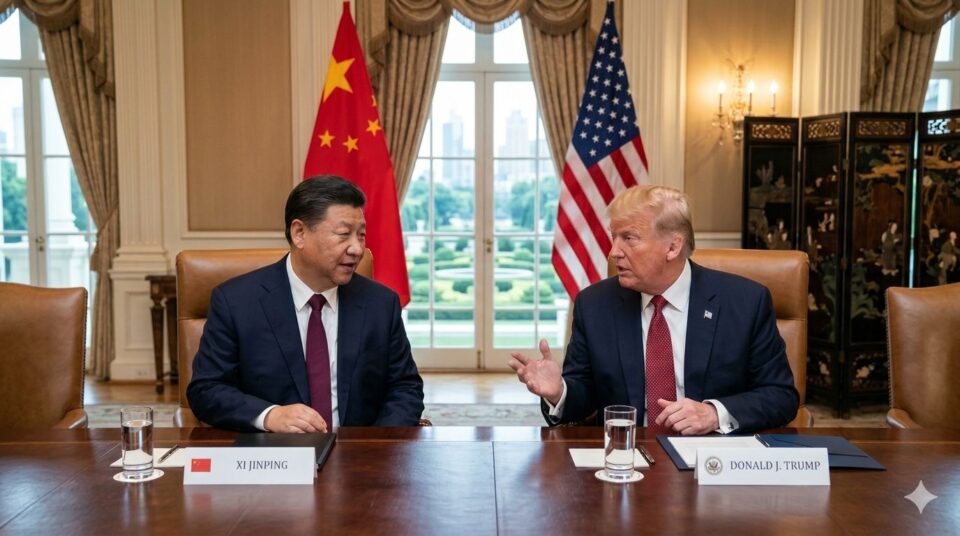
China has declined to assist the United States in reopening the Strait of Hormuz, as tensions escalate in the ongoing Iran war, and President Donald Trump’s anticipated visit to Beijing faces further delays.
The development comes amid growing pressure on Washington, now in the third week of its conflict with Iran, which has disrupted global oil flows through the strategic waterway. US allies have also hesitated to support efforts to secure the strait, raising concerns about the broader geopolitical fallout.
China avoids direct involvement
Beijing stopped short of directly rejecting Washington’s request but signaled no intention of intervening. Instead, China reiterated its calls for de-escalation, urging all parties to halt military operations and prevent further instability that could impact the global economy.
Chinese Foreign Minister Wang Yi said Beijing would continue diplomatic efforts to mediate a ceasefire, emphasizing that the conflict should not have escalated.
Analysts suggest China sees little incentive to assist the US, with some arguing that Washington’s military campaign has exposed its strategic limitations.
Trump’s Beijing trip pushed back
The crisis has also disrupted Trump’s long-awaited state visit to China, originally expected later this month. While both sides confirmed ongoing communication, no new timeline has been announced.
Trump said the visit could take place in “five or six weeks,” citing the need to remain focused on the situation in the Middle East. Beijing, which had not officially confirmed the visit date, appeared untroubled by the delay.
Experts believe China may benefit from the postponement as the US shifts attention and resources away from Asia.
Strategic implications grow
The prolonged conflict has forced the US to redeploy military assets from the Indo-Pacific to the Middle East, fueling concerns among Asian allies about Washington’s strategic focus.
Analysts warn that the longer the war continues, the more it could reshape global power dynamics, potentially strengthening China’s position while stretching US resources.
At the same time, China has stepped up diplomatic outreach in the Middle East and provided humanitarian aid to Iran, signaling a calculated effort to project itself as a stabilizing force without direct military involvement.
A shifting global balance
With oil routes disrupted, alliances strained, and major diplomatic engagements delayed, the crisis is rapidly evolving into a broader geopolitical contest.
For now, China appears content to stay on the sidelines—while the United States navigates a conflict that is increasingly testing its global influence.
