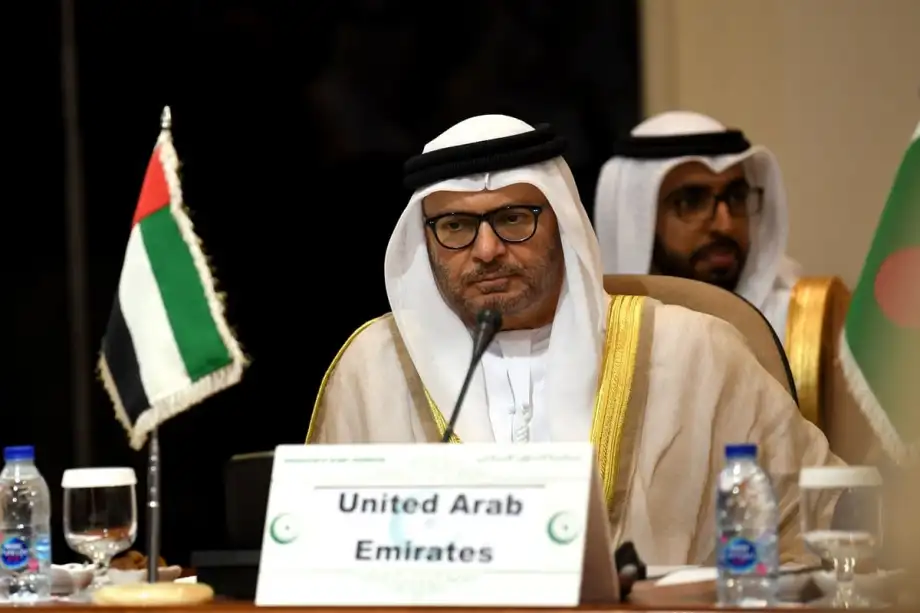
A senior presidential adviser in the United Arab Emirates has warned that the country’s rapid economic success has made it a growing target of organized online campaigns aimed at undermining its reputation and influence.
Speaking on the issue, the adviser said the UAE’s transformation into a global hub for trade, investment, tourism, and innovation has attracted not only international attention but also coordinated digital attacks designed to distort facts and spread misleading narratives. According to the adviser, these campaigns often intensify during periods of strong economic performance, major diplomatic initiatives, or high-profile global events hosted by the country.
The UAE’s diversified economy, supported by non-oil sectors such as logistics, finance, renewable energy, technology, and tourism, has positioned it as one of the most resilient economies in the region. This success, the adviser noted, has disrupted traditional power balances and commercial competition, making the country a frequent subject of online disinformation efforts.
Officials stressed that many of these campaigns rely on social media platforms, anonymous accounts, and selectively framed content to create doubt about the UAE’s policies, governance, or regional role. However, the adviser emphasized that such narratives have had limited impact on investor confidence or international partnerships, pointing to continued foreign investment inflows and long-term development projects.
The adviser also highlighted the importance of media literacy, transparency, and credible communication in countering misinformation. Rather than reacting emotionally, the UAE continues to focus on economic reforms, global cooperation, and digital resilience.
Analysts say the warning reflects a broader global trend in which economically successful states face increased scrutiny and targeted information campaigns. For the UAE, officials insist the response remains clear: sustained growth, openness, and confidence in its long-term vision will continue to speak louder than online criticism.