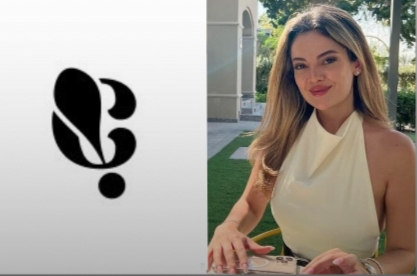
DUBAI — PR strategist Lara Geadah says public relations remains one of the most misunderstood professions, with many clients still assuming that print and digital media placements are “free.” Her remarks come amid ongoing industry frustration over unrealistic expectations and the belief that media coverage can be secured simply through personal contacts.
Geadah shared her experience while speaking about the challenges of her day-to-day work, particularly as she and her team were phoning editors to invite them to an upcoming event. She said the perception that PR is an easy job — or that journalists will publish material on request — is far from the truth.
“I was never really given a free hand in PR,” Geadah said. “I met everyone myself — WhatsApp-ing, phoning, attending events. No one sat me down and introduced me to anyone.”
She said the profession demands persistence, relationship-building and resilience, especially in the face of frequent rejection. “PR is really one of the toughest jobs, and it isn’t for the faint-hearted. If you can’t handle rejection, it’s not for you.”
According to Geadah, many clients still misunderstand how media works, assuming an editor can be called “to run a story.” Even when it offers little news value. She emphasized that journalists prioritize their audiences, not brand requests.
“You can’t just phone a journalist and expect them to give your brand free space,” she said. “There has to be something in it for them — a story that adds value to their readers. A fresh angle that fits their content calendar, or at the very least, a relationship where you consistently add value to their work too.”
She added that editors “don’t owe PR people coverage. They owe their readers relevance.”
Geadah said effective PR requires preparation, timing and strategy, as well as a strong understanding of both the audience and a publication’s editorial direction. “Good PR isn’t about pushing stories. It’s about doing the homework and showing up with something worth publishing.”
She also rejected the notion that media coverage is free just because no money exchanges hands. Instead, she said, placements are earned through effort and credibility.
“PR coverage is earned in every sense,” Geadah said. “And there’s no such thing as free publicity — but when you do it right, the value you get back is far greater than any ad spend. If you play the long game in PR, it’s worth every minute.”
Her comments reflect a broader industry conversation about the evolution of media relations. The pressures on newsrooms and the need for brands to understand that meaningful editorial coverage must be earned, not demanded.