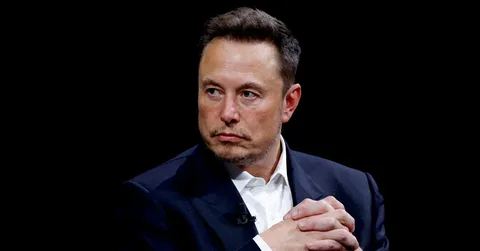
A US judge has once again rejected Elon Musk’s $55.8 billion Tesla pay package, marking another major setback for the billionaire CEO. The ruling, which comes after months of legal disputes, raises questions about executive compensation practices and corporate governance at Tesla.
The Historic Pay Package
Elon Musk’s compensation plan, originally approved by Tesla shareholders in 2018, was valued at $55.8 billion — making it the largest pay deal ever awarded to a corporate executive. The package was tied to Tesla achieving specific market capitalization and operational milestones, which the company successfully met, propelling it into one of the world’s most valuable carmakers.
However, the sheer size of the payout has faced scrutiny from investors, analysts, and regulators, with critics arguing that it was excessive and unfair to shareholders.
Judge’s Reason for Rejection
The latest ruling came from Delaware Chancery Court Judge Kathaleen McCormick, who previously struck down the same deal in January, citing corporate governance failures. The judge stated that Tesla’s board did not provide adequate evidence that the pay package was negotiated independently or that it served the best interests of shareholders.
McCormick argued that Musk had too much influence over the board, which undermined the fairness of the approval process. The ruling also emphasized that shareholder approval alone does not justify what the court views as a “conflicted transaction.”
Impact on Tesla and Musk
The decision is seen as a blow to Musk, whose leadership has been crucial in making Tesla a dominant player in the electric vehicle market. While Musk does not receive a traditional salary, his wealth is tied to Tesla’s stock performance, and this rejected pay deal significantly affects his compensation structure.
Despite the legal setback, Tesla’s stock price showed only minor fluctuations in early trading, as investors remain focused on the company’s production targets and future innovations.
What Happens Next?
Legal experts expect Musk and Tesla to appeal the decision. Tesla may also attempt to restructure the pay package to address the court’s concerns and seek renewed shareholder approval.
In response to the ruling, Musk has not yet issued an official statement, but he has previously expressed frustration with the legal challenges, even hinting at moving Tesla’s incorporation out of Delaware.
The case has sparked renewed debate over executive compensation in the tech industry, especially for high-profile CEOs whose influence can shape a company’s future.
Conclusion
The rejection of Musk’s $55.8 billion Tesla pay deal highlights growing regulatory scrutiny over how massive executive pay packages are approved. With appeals likely, the outcome could set a precedent for how corporate governance is handled in high-growth companies like Tesla.
For More Information, Stay Connected With Sharjah News! You Can Also Follow Us On Facebook To Stay Updated.