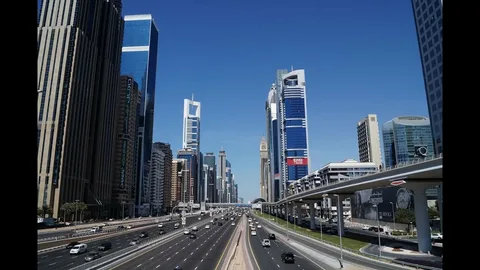
The UAE is serious about driving electric vehicle (EV) adoption, with a target of having 50% of cars on the roads running on electric by 2050. But reaching that goal is tough. By 2030, only 15% of vehicles are expected to be electric, according to PwC. This leaves a huge gap if the country wants to triple EV numbers in the following two decades.
Dubai’s Roads and Transport Authority (RTA) has already taken steps to promote EVs, like free parking for two years, free Salik tags, and earlier free charging through the DEWA EV Green Charger program. Still, experts say incentives alone are not enough to spark a true EV revolution.
One innovative idea is to create a dedicated EV lane on Sheikh Zayed Road, which could encourage more people to switch. Kevin Chalhoub, CEO of EV Lab, believes that if one lane was reserved for EVs, demand would spike quickly.
What’s Holding EV Adoption Back?
Experts say there are three main barriers:
✅ Lack of consumer education
✅ Limited charging infrastructure
✅ Fewer EV models in the local market
Many people still fear “range anxiety” — worrying about running out of battery on longer trips. Currently, the UAE has around 2,000 public chargers, mostly in Dubai, but many are slow chargers. PwC estimates the country will need at least 10,000 by 2035. DEWA is working to fix this through its EV Green Charger Initiative, which grew 50% in usage last year. Meanwhile, ADNOC and TAQA plan to install up to 70,000 charging stations by 2030.
Chalhoub argues that most people could easily install chargers at their villas or apartments, reducing reliance on public chargers. He also says many EVs today have enough range to comfortably handle round trips between Dubai and Abu Dhabi.
Learning from Saudi Arabia and Europe
Unlike the UAE’s market-driven strategy, Saudi Arabia is enforcing clear EV quotas, investing heavily in production and infrastructure, and supporting a home-grown EV ecosystem. Similarly, countries like the Netherlands offer registration tax exemptions and cash incentives for EV buyers, which makes electric vehicles more affordable.
Experts suggest the UAE should do more to promote local EV manufacturing. Right now, the market depends on imports, mostly from Tesla and Chinese brands like BYD. Local EV production could reduce costs, create jobs, and give the UAE more control over its sustainability goals.
The Road Ahead
A dedicated EV lane on Sheikh Zayed Road might be one step, but much more is needed. From better education to stronger infrastructure, a complete ecosystem is essential. After all, this isn’t just about transportation — it’s about tackling climate change and building a greener future
For More Information, Stay Connected With Sharjah News! You Can Also Follow Us On Facebook To Stay Updated.